
Having fun sea swimming in summer, swimmers may encounter jellyfish. Jellyfish stings are painful, but in most cases, they are mild and are not too serious. However, few cases are reported to have serious allergic reactions or anaphylaxis after a jellyfish sting. Therefore, we must be cautious and know some first-aid treatment to stay safe.
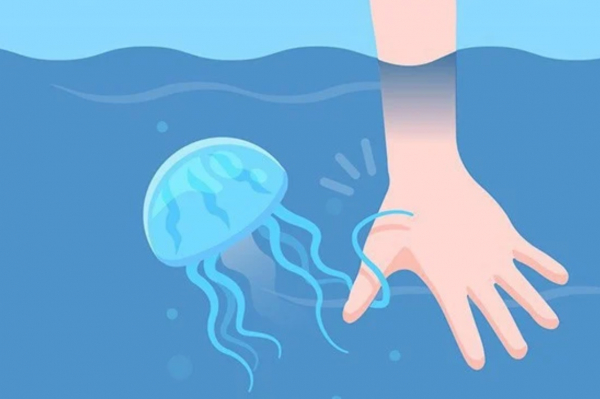 |
Jellyfish are sea creatures with soft, bell-shaped bodies with stinging cells called nematocysts inside of their tentacles. A single tentacle may contain thousands of nematocysts. The Flame Jellyfish is known to be among the most poisonous and dangerous ones for swimmers.
Some common symptoms of jellyfish stings include burning, prickling, stinging pain, Itchiness and swelling. Severe symptoms include hadache, nausea and vomiting, faintness, dizziness or confusion, difficulty breathing, pale skin, quick pulse, or passing out. The severity of a reaction depends on health of the person affected, and how sensitive he or she is.
According to Specialist Doctor II Nguyen Ngoc Huy, Chief of Pediatrics Department, Khanh Hoa Provincial General Hospital, if your child is stung by a jellyfish, we should remove the child from the water; rinse the sting with seawater or vinegar to get rid of the tentacles; remove any leftover tentacles, protect your hands with gloves or plastic bags if possible; apply ice for about 1 hour, use antihistamines or steroid creams to lessen the pain, itching, and swelling.
Seek immediate medical help if he or she experiences any life-threatening symptoms such as difficulty breathing, fever, dizziness, tightness in chest, nausea and vomiting, a swollen tongue or lips, headache and dizziness.
C.D
Translated by N.T









Thông tin bạn đọc
Đóng Lưu thông tin